A small south-west cove reached from Rue du Grouet. It is quiet and lightly serviced, with the easiest swimming access around higher water.
These predictions use St Helier, Jersey’s standard reference port. Local timing and conditions at Petit Port can vary slightly with weather and coastal geography. Times are shown in local Jersey time.
Petit Port is a small cove on Jersey's south-west coast, below Rue du Grouet and close to the southern end of St Ouen's Bay. It is much smaller and less developed than the island's principal resort beaches.
The upper beach contains sand, but rocks and boulders become increasingly prominent as the tide falls. The water can recede beyond these rocks, making low-tide swimming access less straightforward than the beach’s compact shape might suggest.
Its relative quietness comes partly from the absence of major facilities.
Petit Port works differently from nearby St Ouen's Bay. The shore does not simply become a larger uninterrupted sandy beach as the tide falls; instead, more rocks and uneven ground appear between the dry beach and the water.
Around higher water, the sea reaches closer to the concrete access slope and upper beach, reducing the need to cross the rocks. Local swimming guides describe Petit Port primarily as a higher-tide swim.
At very high water, the remaining dry area may be limited, and wave action can reach the concrete and upper shore during swell or strong onshore winds. Higher water gives easier entry, provided there is still enough space and the sea is calm enough.
Petit Port is used for sea swimming, particularly when the tide brings the water close to the upper beach. It is not lifeguarded and does not have the facilities or surveillance of St Brelade's Bay, Plémont or the patrolled parts of St Ouen's Bay.
The cove’s rocky sides can produce reflected waves and uneven water near the edges. Swimmers should remain aware of the limited exit points and avoid being drawn around the headlands. Because the bay faces south-west, it can receive Atlantic swell and wind, so a small beach can still have rough conditions even when it appears protected by cliffs.
Lower water exposes rocks, pools and rough ground across much of the cove. It suits a modest amount of shoreline exploring but is not one of Jersey's principal rock-pooling destinations. Wet boulders can make the route to the water awkward, so footwear is more useful here at lower tide than on Jersey's broad sandy beaches.
Petit Port is reached from Rue du Grouet. Access is down towards the cove rather than directly from a large beachfront car park, and parking and turning space are limited compared with major beaches.
The final approach includes a concrete slope or slipway. The gradient, uneven shore and lack of adapted facilities mean the beach is not wheelchair accessible.
Bring drinking water and anything else you need, and take litter away. Facilities are limited:
Petit Port is not one of the locations in the Government of Jersey's bathing-water monitoring programme. This does not mean the water is poor; it means there is no routine sample for this beach to display. Rather than borrow results from a nearby beach, we show it as not routinely monitored at this location.
Petit Port is not lifeguarded.
No community photos of Petit Port yet. Be the first to add one and help build a picture of the beach at every state of the tide.
Add your photoOther bays and beaches close to Petit Port.
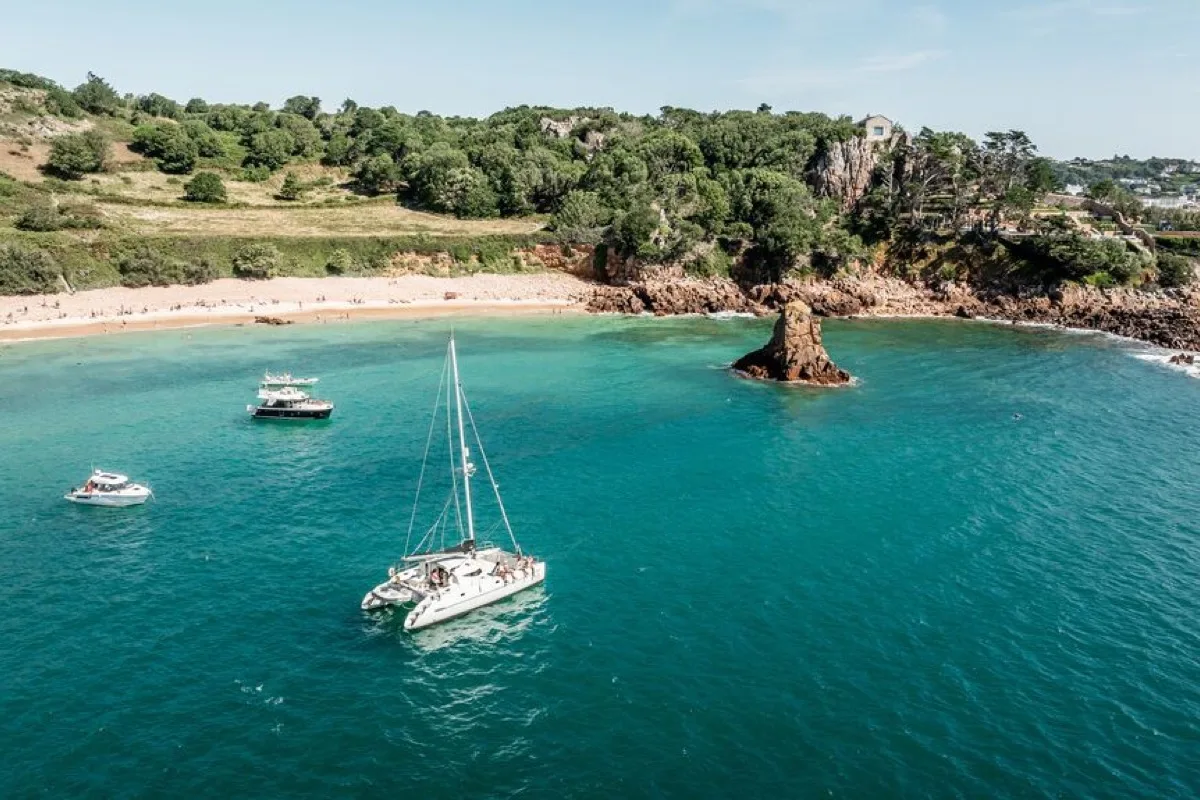 South-west
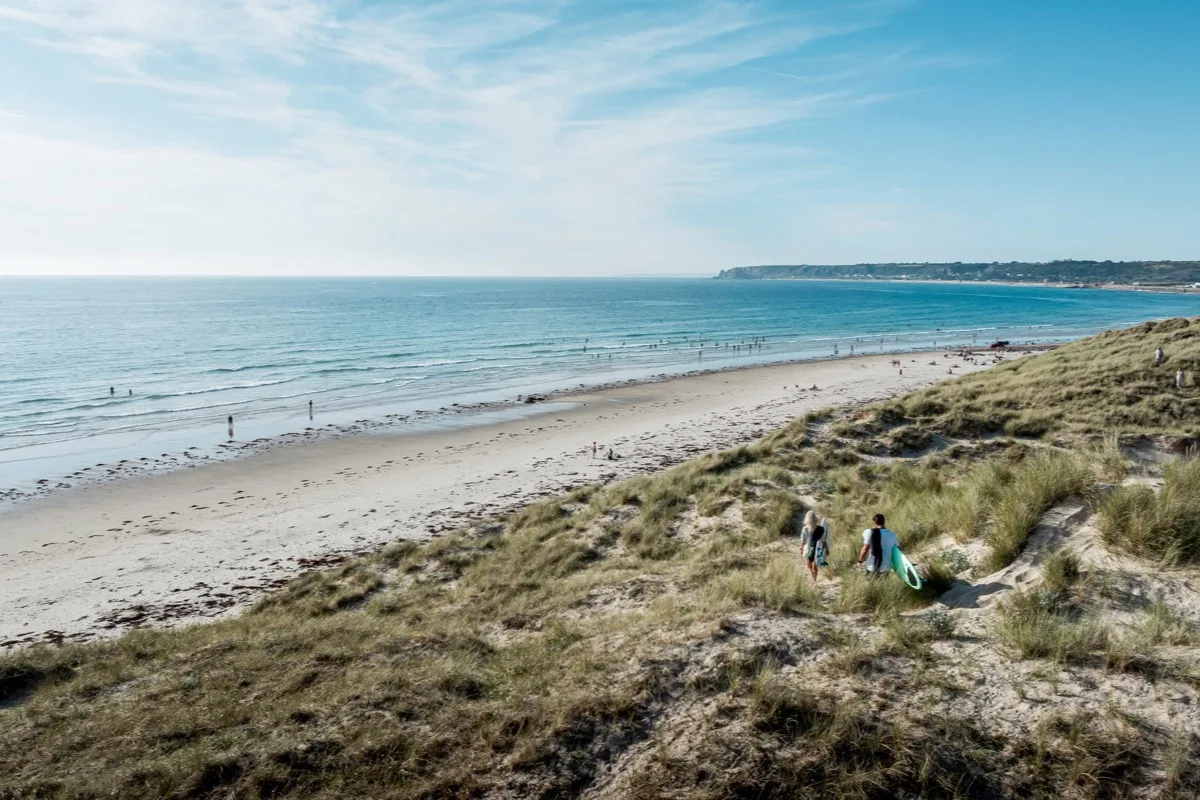 West
West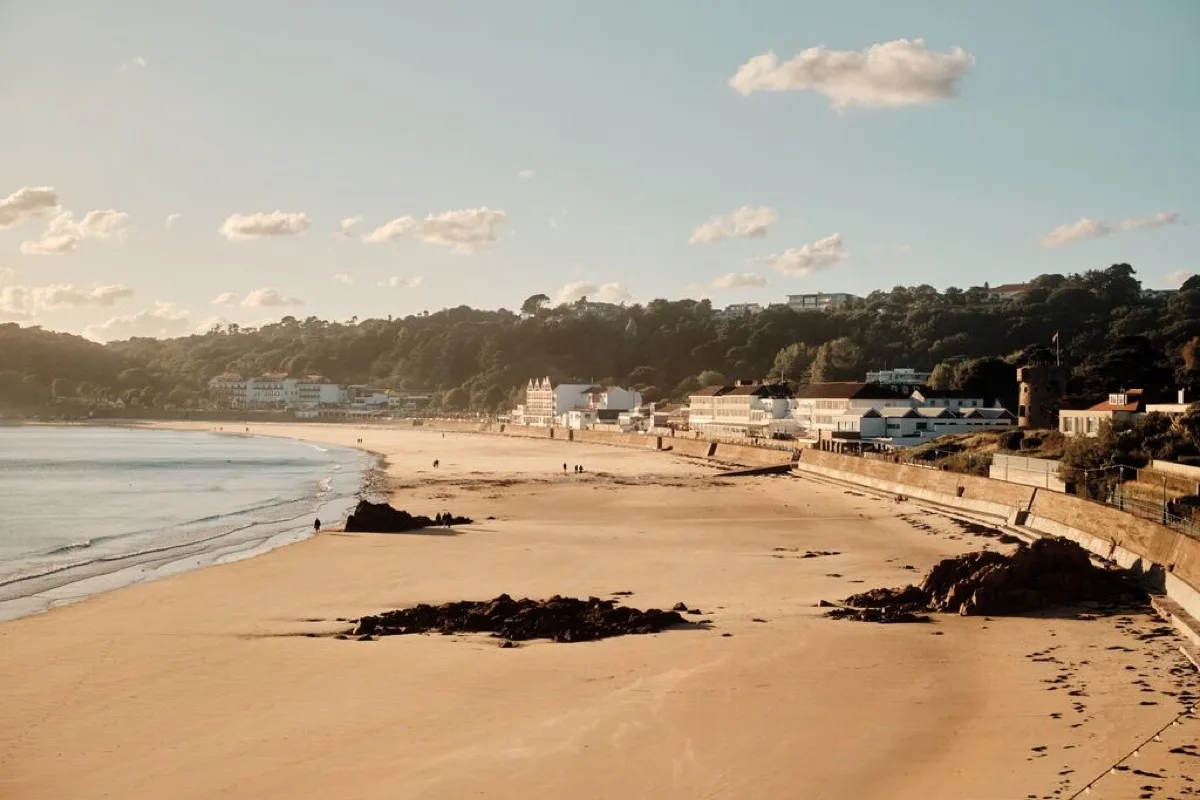 South-west
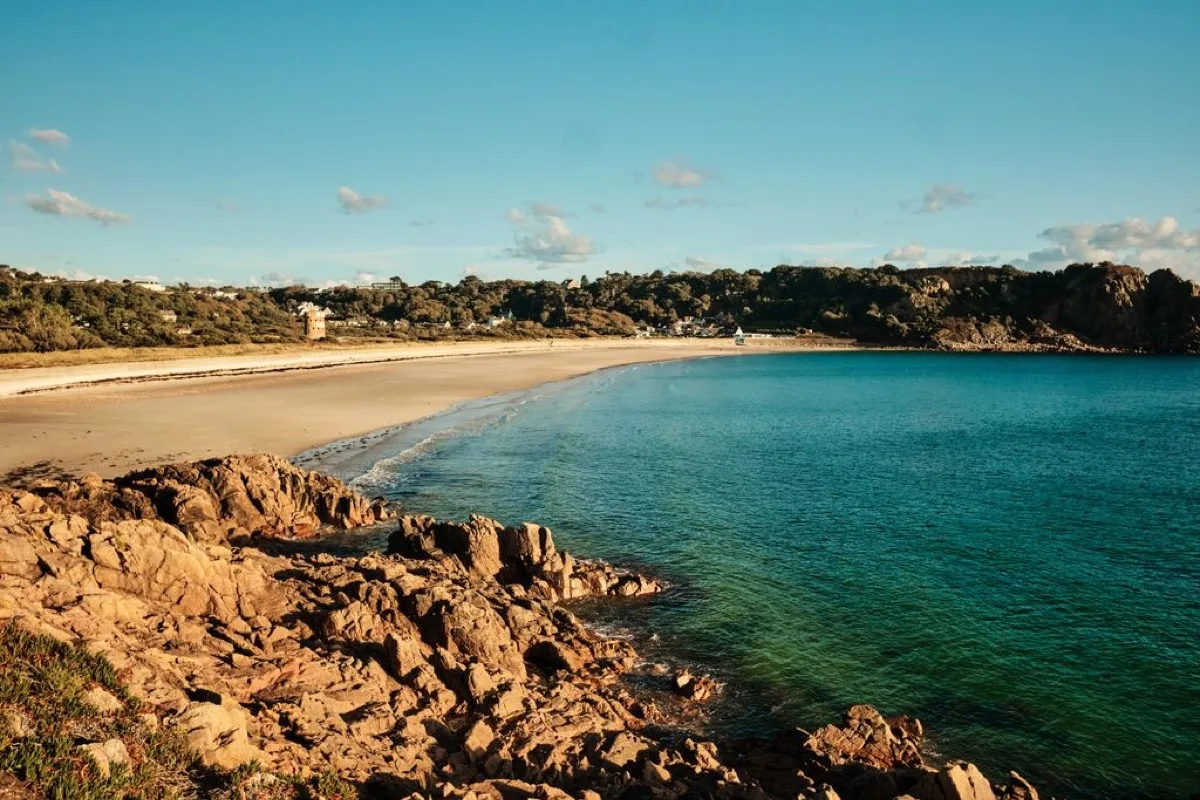 South-west
Tides. Tide predictions are forecasts. Actual sea level is affected by atmospheric pressure, wind and waves. Always observe the sea and your surroundings.
Swimming. Sea swimming carries risks: currents, waves, rocks, submerged structures, boats and cold water. This page is for planning and does not confirm conditions are safe. Do not assume the beach is lifeguarded.
Facilities. Facilities and café opening hours change seasonally. Check directly before making a journey specifically to use them.
 Jersey